


The landscape of global sports is transforming quickly, and one of the most significant shifts in recent years is the explosive growth of women’s sports. Major leagues, media networks, and brands are now dedicating unprecedented attention to female athletes, creating storylines that consistently appear in major reports and shaping modern womens sports media. This momentum is not just a trend; it reflects a long-overdue correction in visibility, investment, and respect toward women in competitive sports.
Several factors are driving this acceleration. Broadcast accessibility has expanded dramatically as streaming platforms prioritize a wider range of competitions, bringing women’s leagues closer to global audiences. Fan engagement has also evolved, with younger demographics actively seeking diverse representation in athletics. These changes are redefining what equality in sports looks like and opening more opportunities for female athletes to take center stage.
International tournaments further amplified this momentum. The competitiveness, emotional intensity, and tactical sophistication showcased by women’s teams resonated with viewers worldwide. As a result, 2025 positioned itself as a pivotal year where visibility, investment, and media narratives finally began to align with the true potential of women’s sports.
Understanding the Media Landscape of womens sports media
The evolution of modern coverage did not happen overnight. For decades, female athletes coverage struggled to gain traction due to limited broadcast time and a lack of commercial support. Many competitions were underreported, and narratives often relied on stereotypes rather than skill-based analysis. This underrepresentation left countless athletes without the exposure they deserved and contributed to a systemic imbalance in sports representation.
Historical Underrepresentation of Female Athletes
Traditional sports networks favored men’s leagues, making it difficult for women’s competitions to secure visibility. Sponsorships flowed toward mainstream leagues, commentary focused on male-based rivalries, and female athletes often received coverage only during major tournaments. These practices shaped audience perception for decades, creating a cycle where low visibility led to low investment.
How Media Narratives Began to Shift
The shift began when fans started actively demanding equitable stories. Younger audiences, in particular, rejected one-dimensional coverage and pushed for more meaningful storytelling around women’s sports. Social media amplified the influence of female athletes, allowing them to build their own audiences and bypass traditional gatekeeping. Viral performances, personal stories, and highlight reels became integral to shaping womens sports media.
As these stories gained traction, brands and sponsors quickly recognized a growing market. The proof was undeniable: representation drives engagement. And engagement drives value.
Key Factors Driving the Change
Several structural changes deepened the impact of evolving media coverage. First, corporations increased their investment in women’s sports, understanding that diverse representation aligns with modern consumer expectations. Second, sports federations implemented policy reforms to improve visibility, competition quality, and overall professionalism. Third, many elite clubs invested in their women’s divisions — for example, Arsenal expanded resources for their women’s team, setting benchmarks for clubs worldwide.
Together, these factors elevated womens sports media from a niche interest to a global priority.
Major Sports Leagues and Organizations Leading the Equality Movement
Women’s sports are not rising in isolation. They are supported by the increasing commitment of major leagues and organizations actively pushing toward equality in sports. Football, basketball, and multisport federations have all introduced reforms that strengthened their women’s divisions and improved visibility at the highest level.
Football Leagues Elevating Women’s Divisions
Professional women’s leagues across Europe and the United States recorded substantial increases in attendance, broadcast deals, and sponsorship value. Tournaments became more competitive, showcasing tactical depth that rivaled their men’s counterparts. Fans connected with authentic narratives built around perseverance, rivalries, and rising stars.
Global engagement skyrocketed as high-profile clubs invested more heavily in their women’s teams. This created new pathways for young players and widened the audience for female athletes coverage.
Basketball’s Contribution to Global Representation
In basketball, representation reached new heights as athletes from leagues around the world showcased elite talent. The WNBA expanded its international influence, and global leagues saw their visibility grow due to improved broadcasting strategies. Fast-paced matches, iconic rivalries, and emotional storylines pushed more fans to engage with womens sports media through digital platforms.
The storytelling around basketball also evolved. Analysts highlighted tactical nuances, coaches emphasized developmental pathways, and fans embraced new role models emerging from different continents.
Multisport Organizations Promoting Gender Balance
Organizations like the Olympics and Youth Sports Federations implemented long-term strategies focusing on participation growth, professional support, and media equality. These efforts signaled to countries and clubs that women’s sports deserve equal platforms and resources.
As these reforms expanded globally, the narrative around equality in sports became more structured and sustainable, encouraging federations to commit to long-term investment rather than short-term promotional spikes.
Breakthrough Athletes and Teams Redefining Women’s Sports
Some of the biggest stories in womens sports media came from breakthrough stars and teams that delivered performances impossible to ignore. Their achievements challenged outdated stereotypes and proved that women’s sports generate the same level of passion, competitiveness, and global engagement as men’s competitions.
Female Athletes Raising Global Standards
The rise of elite performers across football, basketball, tennis, and athletics brought new benchmarks for excellence. Record-breaking achievements and emotional victories inspired millions and dominated sports representation discussions across platforms.
Teams Driving Cultural Change
Clubs and national teams that invested in women’s development programs saw rapid improvement in performance. Their success stories highlighted the importance of long-term support structures, showcasing how commitment to gender equality translates into competitive excellence.
How Role Models Impact Participation
As more female athletes gained global recognition, young girls around the world began viewing professional sports as realistic career paths. Participation rates in grassroots programs surged, creating the next generation of stars who will continue reshaping womens sports media for years to come.
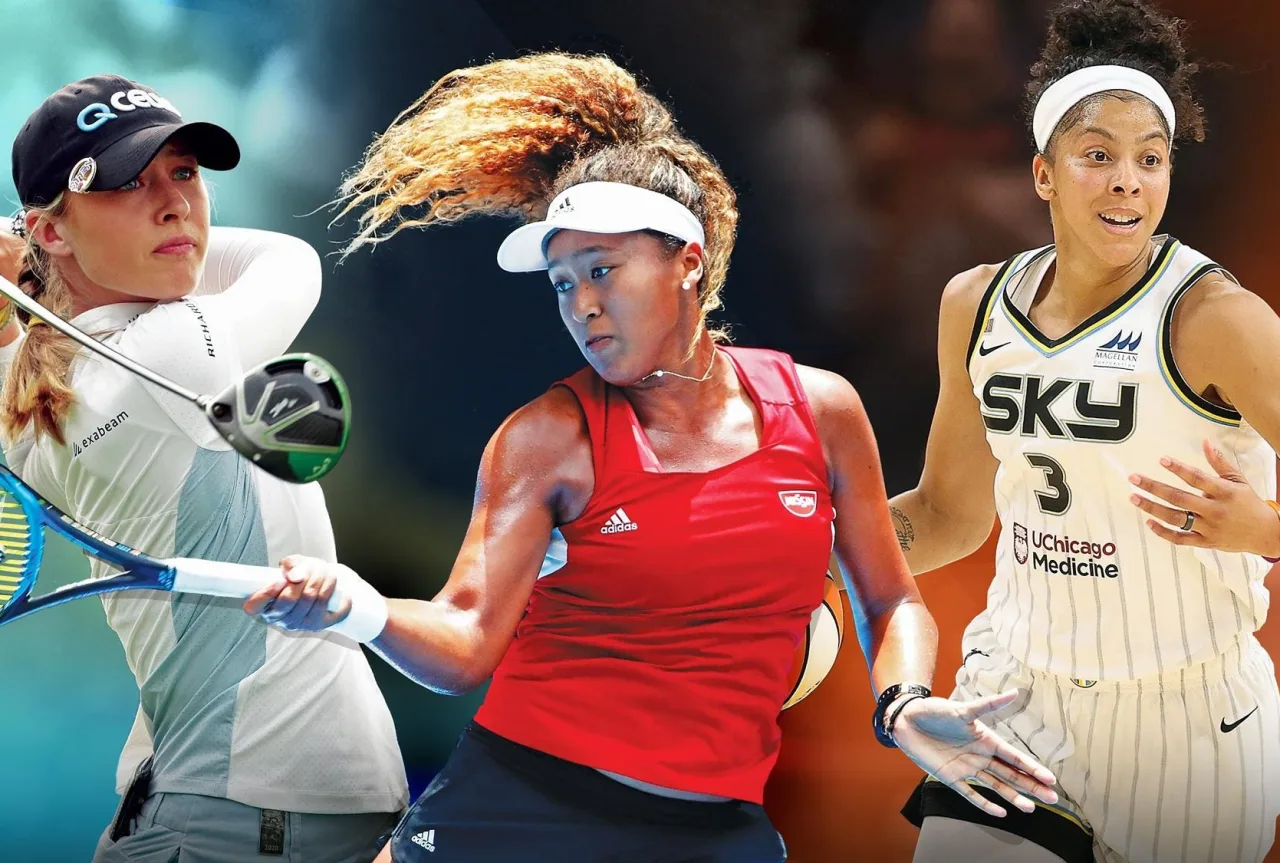
Media Innovations Transforming womens sports media
Media innovation has played a crucial role in elevating the visibility of women’s sports. Broadcast models, distribution channels, and storytelling formats have all evolved to give female athletes a more prominent stage. These innovations helped close the historical gap in sports representation and reshaped how fans consume live events, highlights, and athlete narratives.
Streaming Platforms and Digital Accessibility
The rise of digital streaming transformed access to women’s competitions. Instead of relying on traditional networks with limited coverage windows, streaming platforms began prioritizing niche competitions, collegiate leagues, and youth tournaments. This shift allowed fans worldwide to follow their favorite athletes and clubs without geographical barriers.
Accessibility also encouraged leagues to experiment with formats that made matches easier to follow, such as free-to-watch broadcasts, multilingual commentary, and integrated stat overlays. As a result, women’s sports gained a global presence that would have been unimaginable a decade ago.
Social Media as a Tool for Sports Representation
Social media platforms became the backbone of womens sports media. Athletes now shape their own narratives through behind-the-scenes content, personal commentary, and direct fan interaction. This shift bypassed traditional barriers and allowed athletes to build authentic, loyal communities.
Analysts, journalists, and creators also contributed to this shift by producing highlight reels, short analyses, and viral storytelling that amplified female athletes coverage. A single viral clip can propel an athlete to global recognition overnight, reinforcing the importance of digital visibility.
How New Formats Are Improving Engagement
Documentaries, exclusive interviews, and mini-series featuring women’s teams helped expand emotional connection with fans. Short-form content on platforms like TikTok and Instagram further accelerated engagement, ensuring that audiences stay connected even outside match days.
These evolving formats not only highlight the skill of athletes but also capture their personalities, struggles, and triumphs, transforming how the world perceives women’s sports.
Persistent Challenges in Achieving Equality in Sports
Despite major progress, the push for equality in sports still faces several long-standing challenges. Structural, cultural, and financial barriers continue to influence how women’s sports are represented and funded. Recognizing these issues is essential for sustaining the growth achieved in recent years.
Funding Inequalities
Financial disparities remain one of the biggest obstacles in women’s sports. Wage gaps, limited sponsorships, and uneven resource allocation place female athletes at a disadvantage compared to their male counterparts. Even as visibility increases, the financial ecosystem surrounding women’s sports still requires significant reform.
Clubs and federations must implement long-term investment plans to support training facilities, coaching quality, and competitive opportunities. Without these efforts, progress in womens sports media will plateau.
Media Bias and Structural Barriers
Coverage quantity and tone still lean heavily toward men’s sports. Major networks often prioritize male-dominated competitions for primetime slots, while women’s sports are relegated to off-peak hours. The imbalance impacts audience perception and limits commercial growth for women’s leagues.
Additionally, commentary sometimes reflects implicit biases that reinforce stereotypes. Overcoming these structural issues requires not only policy changes but also continuous training for journalists, commentators, and editors.
Policy, Governance, and Cultural Hurdles
Leadership representation remains uneven across sports organizations. Decision-making bodies often lack diversity, resulting in slow adaptation to the needs of female athletes. Cultural perceptions also vary across regions, making global equality efforts complex and inconsistent.
To maintain momentum in sports representation, stakeholders must prioritize inclusive governance and ensure that women have a seat at the decision-making table.
Global Case Studies Highlighting Shifts in Representation
Across continents, several organizations and teams demonstrated how intentional investment can transform women’s sports. These case studies show how strategic visibility and resource allocation directly impact the narratives seen in womens sports media.
Regional Growth in Europe, Asia, and the Americas
European leagues expanded broadcasting partnerships, enabling matches to reach millions of international viewers. Asian federations invested in youth development programs, cultivating rising stars. Meanwhile, North and South America saw increased attendance in domestic leagues, proving that global demand for women’s sports is stronger than ever.
Clubs and Organizations Serving as Role Models
Several clubs became trailblazers by investing heavily in their women’s divisions. Their commitment elevated overall quality, fan engagement, and commercial value. Notably, teams like Chelsea Women showcased how well-funded programs can achieve global success while inspiring shifts across the industry.
Lessons from Successful Federations
Federations that implemented streaming strategies, grassroots programs, and media collaborations saw significant growth in public interest. Their results demonstrate that visibility, accessibility, and narrative diversity are essential for long-term sustainability.
Why the Future of womens sports media Is Bright
The future is promising due to the increasing recognition of women’s sports as a legitimate and powerful commercial ecosystem. Brands, federations, clubs, and media organizations are investing more strategically, while fans are demanding authentic and equal representation.
Economic Potential of Women’s Sports
Sponsorships tied to women’s sports deliver strong returns, thanks to dedicated fan communities and positive brand alignment. As investment continues to grow, revenue streams such as merchandise, ticketing, and broadcasting rights are expected to expand significantly.
Technology and Analytics Enhancing Visibility
AI-driven tools, advanced tracking systems, and automated highlight packages make it easier for fans to follow diverse competitions. These innovations will continue pushing womens sports media toward broader reach and higher production quality.
Media Responsibility and Acceleration of Equality
As coverage becomes more equitable, journalists and broadcasters play a crucial role in shaping global perceptions. Balanced storytelling encourages younger athletes to pursue professional careers and strengthens the foundation of equality in sports for future generations.
The Ongoing Evolution Toward Gender Equality
The rise of women’s sports reflects a profound cultural transformation shaped by media innovation, shifting fan values, and the undeniable talent of female athletes. Through improved visibility and stronger narratives, womens sports media is helping redefine the global sports landscape. The momentum will only grow stronger as more voices demand equality and celebrate the athletes who continue to break boundaries.


